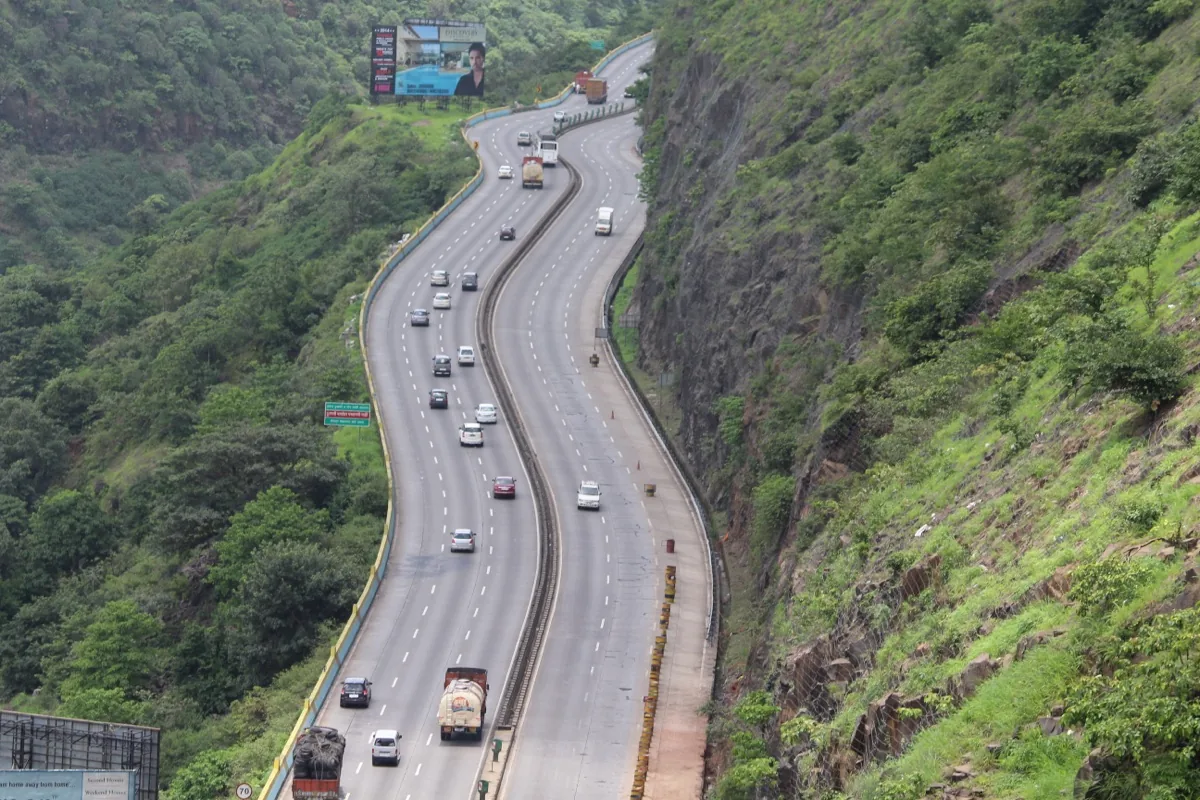
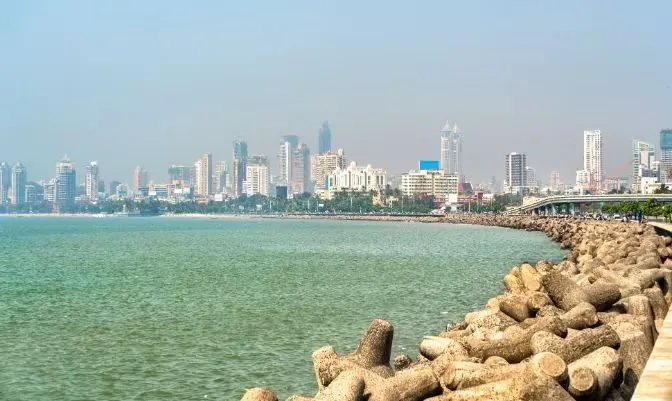
Office travel between Pune and Mumbai is routine for IT, consulting, manufacturing, and sales teams — early meetings in BKC, plant visits in Pimpri, client dinners in Lower Parel. What slows companies down is not the road; it is billing, GST, and unreliable last-minute cabs. This guide covers how corporate cab booking pune mumbai should work if you care about compliance and employee experience.
Why Corporate Travel Needs a Different Setup
Employee app bookings create messy reimbursements: different fares every trip, missing invoices, and no single vendor for accounts. A proper outstation cab partner gives you:
- Fixed fares per route so finance can budget
- GST-compliant invoices in the company name
- Driver details in advance for security and duty-of-care
- One support number when a flight or meeting shifts
See how we operate: Why choose Ride94
GST and Billing Basics
For expense claims, accounts usually need:
- Invoice with company name and GSTIN
- Trip date, route (e.g. Pune to Mumbai), and vehicle type
- Clear tax breakup where applicable
- A reference or employee name for internal cost centres
Share billing details at booking time — not after the trip — so the invoice is correct on the first attempt. Cash-only roadside operators rarely support this cleanly.
What to Standardise for Your Team
Approved routes: Pune ↔ Mumbai city, airport drops (CSIA/NMIA), and common suburbs (Hinjewadi, Kharadi, Andheri, BKC).
Vehicle policy: Sedan for 1–3 travellers; SUV/MUV for teams or luggage-heavy trips.
Booking window: Ideally 12–24 hours ahead for morning meetings; same-day is possible but riskier for peak hours.
Check current route pricing on our fare calculator.
Duty of Care and Safety
HR and admin teams increasingly ask who is driving employees at 5 AM or after late client dinners. Ask any vendor for:
- Driver name and phone shared before pickup
- Commercial vehicle (tourist/permit) — not a private car posing as a cab
- A support line that answers during the trip
These are basic for corporate travel, not optional extras.
Practical Booking Workflow
- Travel desk or employee shares pickup, drop, date, and time
- Vendor confirms fare, vehicle, and driver details
- Trip completes; invoice goes to accounts with GSTIN
- Monthly statement optional for high-volume accounts
For recurring weekly Pune–Mumbai runs, a standing arrangement saves repeated negotiation and keeps fares predictable.
Airport and Late-Night Corporate Runs
Many corporate trips are not office-to-office — they are Pune to CSIA or NMIA for early flights, or Mumbai airport to a Pune plant after a late landing. Treat these like any other outstation booking: fixed fare, driver details in advance, and invoice to the company. Night and early-morning runs are standard for us; finance still gets the same GST documentation as daytime trips.
If your team travels both directions in the same week, book both legs together so vehicle type and billing references stay consistent. That reduces back-and-forth between the travel desk and accounts.
What to Avoid
Do not rely on open-meter city taxis for Pune–Mumbai outstation runs — costs balloon and invoices are rarely finance-ready. Avoid operators who cannot share driver details until the car arrives. Skip verbal-only fare quotes; ask for confirmation on WhatsApp or email so accounts has a paper trail if a dispute ever arises.
A clean corporate cab process is boring by design: same fare structure, same invoice format, same support number. That boredom is what travel desks and CFOs actually want.
Book a Corporate Outstation Cab
Book online or call +91 73854 75784. Mention corporate billing and your GSTIN — we will confirm fare, invoice format, and driver details for your team's trip.